Full-stack product · Real-time collaboration
OurStrips
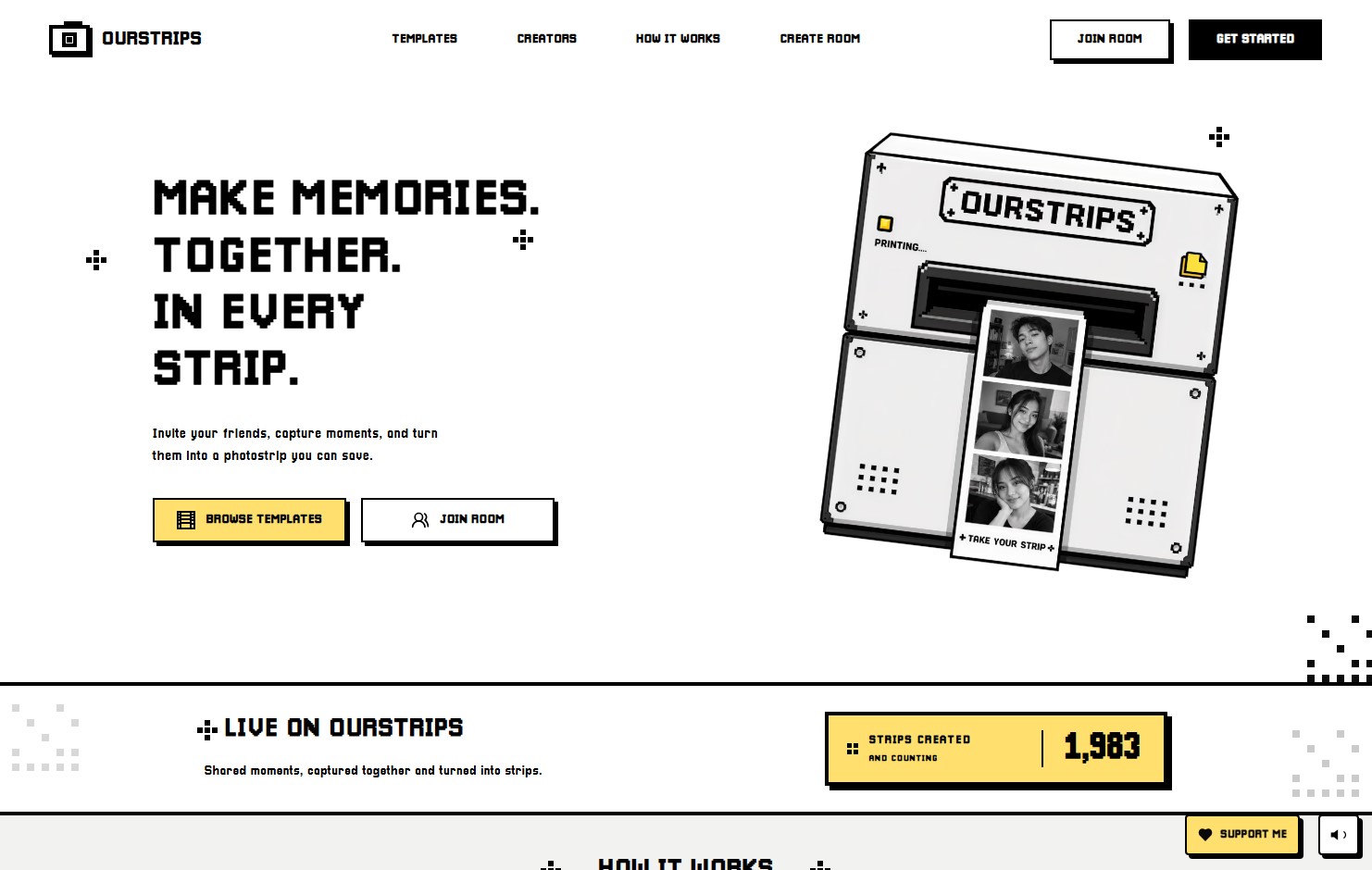
An online photobooth used by more than 2,000 people to create and share custom digital photostrips with friends.
- TypeScript
- Next.js
- React
- Supabase
- PostgreSQL
Animal welfare · Mobile, web, and on-device ML
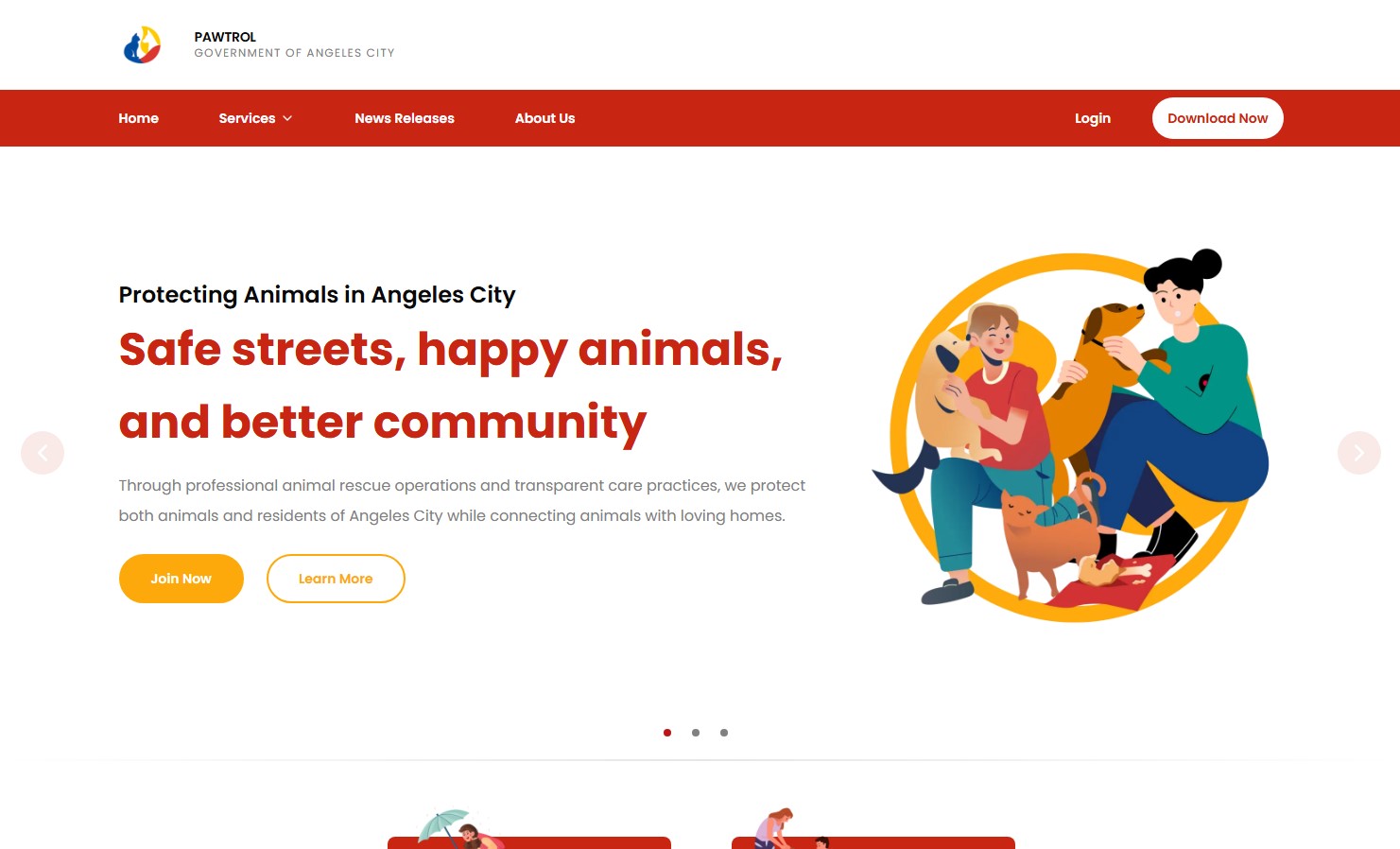
An animal welfare platform for Angeles City that connects resident reports with responder and administrator workflows.
Role
Full-stack application development
Timeline
2025–2026
Stack
Flutter · Dart · TypeScript · Next.js · Supabase · PostgreSQL · Mapbox · Python · TensorFlow Lite · MobileNet V3-Large
01 / Overview
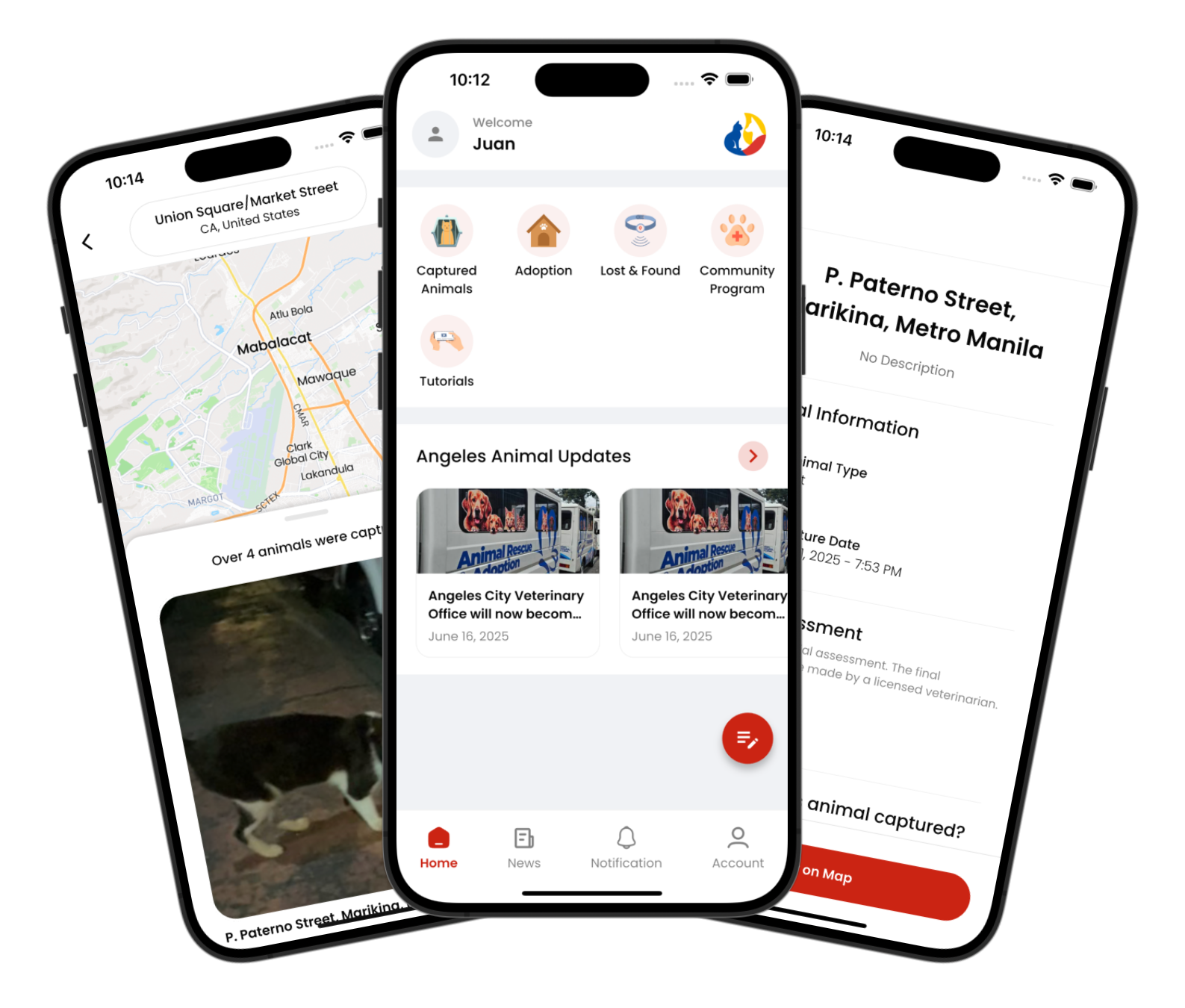
PAWTROL helps Angeles City manage animal welfare cases digitally. It includes mobile apps for residents and responders, plus a web portal for reports, rescue work, lost-and-found cases, adoption, and case management.
02 / Problem & goals
Animal welfare reports may have incomplete details, unclear locations, and communication spread across different channels. Residents, responders, and administrators need separate tools while working with the same case information.
03 / Role & users
Application developer for the Flutter mobile apps and Next.js admin portal, working on location features, role-based workflows, Supabase integration, and on-device machine learning.
04 / Core features
05 / Architecture & decisions
PAWTROL uses two Flutter apps: one for residents and one for animal control officers. A Next.js portal handles website content and admin operations. Supabase provides authentication, PostgreSQL data, storage, and real-time updates. Mapbox handles maps and locations, while TensorFlow Lite runs MobileNet models on mobile devices.
06 / Challenges
Residents, officers, and administrators need different permissions and workflows while using the same case data.
The mobile apps must handle permissions, weak connections, location accuracy, photos, and saved drafts.
Species and health classifications must be shown as helpful suggestions, not final medical decisions.
07 / Results